Wednesday, January 21, 2026

Living With Cat Pee Pads: A Practical Perspective

Living With Cat Pee Pads: A Practical Perspective


Indoor cats depend on clean, comfortable hygiene solutions that suit their behavior and physical needs. Cat pee pads have become a useful option in many homes, not as a replacement for litter boxes, but as a supportive alternative in specific situations.

Cat pee pads are absorbent, layered sheets designed to contain urine while protecting floors and surfaces. Their flat design and leak-proof backing make them especially helpful for kittens, senior cats, or cats recovering from illness. Unlike litter, pee pads eliminate tracking and dust, helping maintain a cleaner indoor environment.

One of the most important factors in acceptance is scent. Unscented cat pee pads are often preferred because cats are highly sensitive to smells. Strong fragrances can discourage use, while neutral pads allow cats to follow natural habits. Blue unscented cat pee pads also help caregivers visually monitor moisture levels without relying on odor.

Many households use cat pee pads for litter box setups by placing them inside shallow trays. This approach is gentler on sensitive paws and makes cleanup simpler, while also allowing closer observation of urinary health.

Rather than being a one-size-fits-all solution, cat pee pads work best as a flexible tool that adapts to a cat’s changing needs. When used thoughtfully, they support hygiene, comfort, and a calmer living space for both cats and their caregivers.

Read more: The Complete Guide to Cat Pee Pads: Comfort, Cleanliness, and Confidence for Cat Owners

Thursday, January 15, 2026

Choosing the Right Compostable Food Containers for Restaurants


How to Choose Compostable Food Containers for Restaurants

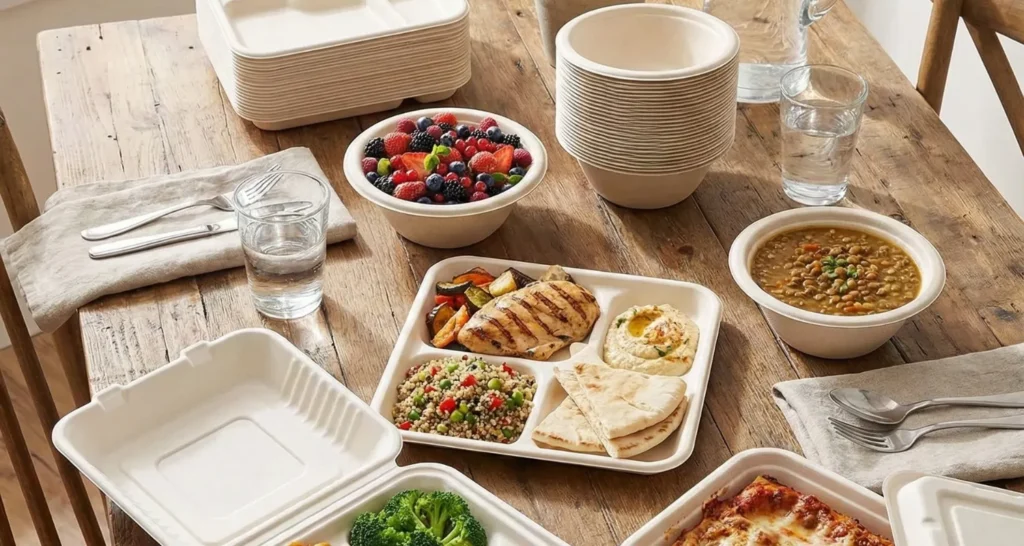
Sustainability is no longer a trend in the restaurant industry—it’s an expectation. Across the United States, restaurant owners are rethinking how their businesses impact the environment, especially when it comes to takeout and delivery packaging. One of the most effective changes a restaurant can make is switching to Compostable Food Containers.

These containers help reduce waste, appeal to eco-conscious customers, and support compliance with growing environmental regulations. This short guide explains how restaurants can choose the right compostable food containers while maintaining food quality, efficiency, and brand value.

Why Compostable Food Containers Matter for Restaurants

Traditional plastic and foam containers can take hundreds of years to decompose. In contrast, compostable food containers are made from plant-based materials that naturally break down under composting conditions. For restaurants, this shift represents more than environmental responsibility—it’s a smart business decision.

Customers today actively support brands that align with their values. Using compostable packaging helps restaurants build trust, enhance brand image, and stand out in a competitive market. It also prepares businesses for future regulations that restrict single-use plastics in many US cities and states.

Understanding Compostable Food Packaging

Compostable Food Storage Container is typically made from renewable resources such as sugarcane bagasse, corn fiber, or other plant-based materials. These containers are designed to handle real food service needs while offering a lower environmental impact than plastic.

Unlike conventional packaging, compostable containers decompose into natural elements without leaving toxic residues. This makes them suitable for restaurants aiming to reduce landfill waste and participate in composting programs.

Key Factors to Consider When Choosing Compostable Containers

Durability and Performance
Restaurants should ensure compostable containers are strong enough for hot, cold, oily, and saucy foods. High-quality compostable containers maintain their shape, resist leaks, and protect food during transport.

Food Type Compatibility
Different meals require different packaging. From single-portion entrées to combo meals, selecting the right size and style ensures food presentation and freshness remain intact.

Storage and Handling
Compostable containers should be stackable and easy to store in busy kitchen environments. Proper lids and secure closures are especially important for takeout and delivery orders.

Popular Compostable Food Container Options

Disposable Food Storage Containers
These containers are ideal for quick-service restaurants, cafés, and takeout-focused businesses. They offer convenience while supporting sustainability goals, making them a practical replacement for plastic containers.

Disposable Bagasse Clamshell Containers
Made from sugarcane fiber, these clamshell containers are sturdy, heat-resistant, and perfect for burgers, sandwiches, and full meals. They are widely used for takeout and food trucks due to their reliable performance.

Compostable Bagasse Food Containers with Lid
These containers provide excellent spill resistance and are suitable for delivery and takeaway services. The attached or fitted lid helps maintain food temperature and prevents mess during transport.

Disposable Compartment Clamshell Food Containers
For meals that require separation—such as entrées with sides—compartment clamshell containers are an excellent choice. They preserve food presentation and prevent mixing flavors, making them popular for combo meals and meal prep services.

Integrating Compostable Containers into Restaurant Operations

Transitioning to compostable food containers is easier with a clear plan. Staff training is essential so employees understand how to use and dispose of compostable packaging correctly. Clear labeling and customer communication also help ensure containers are composted properly when possible.

Restaurants should also check local composting options to maximize the environmental benefits of compostable packaging. Partnering with composting services or waste management providers can support a smoother transition.

Conclusion

Choosing the right Compostable Food Containers allows restaurants in the USA to balance sustainability, functionality, and customer satisfaction. From compostable food storage containers to disposable bagasse clamshells, today’s eco-friendly packaging options are designed to meet real-world restaurant needs.

By adopting compostable containers, restaurants not only reduce their environmental footprint but also strengthen their brand image and prepare for a more sustainable future.

Read more: How to Choose Compostable Food Containers for Restaurants

Disposable Bed Underpads for Hospitals: A Practical Buyer’s Guide

Disposable Bed Underpads – Buyer’s Guide for Hospitals

Hospitals operate in fast-paced environments where hygiene, patient comfort, and efficiency are non-negotiable. One essential yet often overlooked product that supports all three is Disposable Bed Underpads. These absorbent pads play a critical role in protecting hospital beds, improving infection control, and supporting quality patient care across departments.

Also known as Disposable Bed Pads or Disposable Pee Pads, these products are widely used in acute care, long-term care, maternity wards, and emergency units. Choosing the right underpads can significantly impact operational costs and clinical outcomes.


What Are Disposable Bed Underpads?

Disposable bed underpads are single-use absorbent sheets designed to protect beds, stretchers, chairs, and examination tables from liquids and bodily fluids. They typically feature a soft top layer for patient comfort, a high-absorbency core, and a waterproof backing that prevents leaks from reaching mattresses or furniture.

Hospitals rely on these pads for incontinence care, post-operative recovery, medical procedures, and general patient hygiene management.


Why Disposable Bed Underpads Are Essential in Hospitals

Improved Infection Control

Disposable products eliminate the need for laundering, reducing the risk of cross-contamination. Single-use underpads support hospital infection prevention protocols, especially in high-risk areas such as ICUs and surgical units.

Enhanced Patient Comfort and Dignity

Quality disposable bed pads are soft, non-irritating, and discreet. They help patients feel dry and comfortable, particularly those with limited mobility or extended bed rest needs.

Operational Efficiency

Underpads reduce the frequency of full bed linen changes, saving nursing time and improving room turnover rates. This allows staff to focus more on patient care rather than housekeeping tasks.

Protection of Hospital Assets

Waterproof backing layers protect mattresses and medical furniture from fluid damage, extending their lifespan and reducing replacement costs.


Types of Disposable Bed Underpads Used in Hospitals

Hospitals use different types of underpads depending on patient needs and care settings:

  • Standard Disposable Underpads for routine patient care

  • High-Absorbency Underpads for incontinence or post-surgical recovery

  • Large or Extended Pads for bariatric patients or wider coverage

  • Comfort-Focused Pads for long-term or geriatric care

Selecting the correct type ensures better performance and cost control.


Key Factors Hospitals Should Consider When Buying

Absorbency Level

Different departments require different absorbency levels. High-absorbency pads are essential in maternity, ICU, and elder care units, while standard pads may suffice for short-term use.

Size and Coverage

Underpads should adequately cover the bed area to prevent leaks. Hospitals often stock multiple sizes to meet diverse patient needs.

Material Quality

A soft top layer reduces skin irritation, while a strong waterproof base prevents leaks. Multi-layer construction improves reliability and patient comfort.

Bulk Availability

Hospitals benefit from purchasing Bulk Disposable Bed Underpads, ensuring steady inventory and lower per-unit costs.


Benefits of Buying Disposable Bed Underpads in Bulk

Bulk purchasing helps hospitals manage budgets more efficiently while maintaining consistent supply levels. It reduces emergency reordering, ensures availability during high patient volumes, and supports centralized procurement strategies.

For hospitals with high daily usage, bulk buying is not only economical but operationally essential.


Hospital Departments That Rely on Underpads

Disposable bed underpads are used across multiple hospital areas, including emergency rooms, operating theaters, maternity wards, medical-surgical floors, rehabilitation units, and long-term care facilities. Their versatility makes them a standard item in hospital supply chains.


Conclusion

Disposable Bed Underpads are a vital component of hospital hygiene and patient care strategies. From infection control and patient comfort to cost efficiency and asset protection, these products deliver measurable value across healthcare settings.

By selecting the right disposable bed pads, focusing on absorbency, quality, and bulk purchasing, hospitals can enhance care standards while maintaining operational efficiency. For healthcare facilities in the USA, investing in reliable disposable underpads is a practical decision that supports both patients and providers every day.

Friday, December 26, 2025

Biodegradable Poop Bags: A Smarter Choice for Clean, Responsible Pet Care

Biodegradable Poop Bags: A Smarter Choice for Clean, Responsible Pet Care

Cleaning up after your dog is part of everyday pet ownership, but the type of bag you use matters more than most people realize. With growing concern about plastic pollution, biodegradable poop bags have become a responsible and practical alternative to traditional plastic dog waste bags. They offer the same convenience and durability while supporting a cleaner environment.

Biodegradable poop bags are designed to break down more efficiently over time compared to regular plastic bags. While they remain strong and leak-proof during use, they help reduce the long-term environmental impact associated with pet waste disposal.

Why Choose Biodegradable Poop Bags?

Every day, millions of plastic dog waste bags end up in landfills and public spaces. These bags can take hundreds of years to decompose. Biodegradable poop bags help address this issue by offering a more eco-conscious solution without compromising performance.

Key benefits include:

  1. Strong and tear-resistant material
  2. Leak-proof protection for mess-free cleanup
  3. Reduced plastic waste impact
  4. Suitable for dogs of all sizes

For pet owners who want convenience without harming the environment, biodegradable poop bags are an easy upgrade.

The Advantage of Buying Poop Bags in Bulk

If you walk your dog daily, you know how quickly poop bags run out. Buying poop bags in bulk is a cost-effective and practical solution, especially for multi-dog households or professional pet caregivers.

Benefits of bulk buying include:

  • Lower cost per bag
  • Fewer reorders and store visits
  • Consistent supply for daily use
  • Less packaging waste

Whether you’re looking for dog poop bags in bulkcheap dog poop bags bulk, or pet poop bags bulk, purchasing larger quantities saves both time and money.

Scented and Unscented Options

Biodegradable poop bags are available in different scent options to match personal preferences.

All options are designed to control odor while maintaining strength and reliability.

Who Benefits Most from Bulk Dog Waste Bags?

Bulk biodegradable poop bags are ideal for:

For anyone who uses poop bags daily, bulk dog waste bags are a smart investment.

Final Thoughts

Biodegradable poop bags combine hygiene, durability, and environmental responsibility in one simple product. When purchased in bulk, they offer excellent value while helping reduce plastic waste. Making the switch to biodegradable poop bags is a small change that supports cleaner neighborhoods, healthier ecosystems, and responsible pet ownership—one walk at a time.


Tuesday, December 23, 2025

Biodegradable Tableware: A Smarter Way to Use Disposable Dining Products

Biodegradable Tableware: A Smarter Way to Use Disposable Dining Products

Disposable tableware has become a daily necessity for homes, restaurants, events, and food delivery services. However, traditional plastic plates, bowls, and containers create long-term environmental problems because they do not decompose easily. As awareness grows around sustainability and waste reduction, biodegradable tableware has emerged as a responsible and practical alternative.

Biodegradable tableware offers the same convenience as conventional disposable products while significantly reducing environmental impact. Made from natural, renewable materials, these products are designed to break down naturally over time, leaving behind minimal waste. This makes them an ideal choice for individuals and businesses looking to combine convenience with environmental responsibility.

What Is Biodegradable Tableware?

Biodegradable tableware refers to disposable dining products that decompose naturally through biological processes. Instead of remaining in landfills for decades, these items gradually break down into organic matter under suitable conditions.

Common materials used in biodegradable tableware include plant fibers, agricultural by-products, and natural starches. These materials are carefully processed to create sturdy plates, bowls, clamshell containers, and food boxes that can handle hot, cold, wet, or oily foods without compromising performance.

Unlike plastic disposables, biodegradable tableware does not release harmful toxins during decomposition, making it safer for the environment, soil, and surrounding ecosystems.

Why Biodegradable Tableware Is Important

The environmental impact of single-use plastic is one of the biggest challenges faced today. Plastic waste clogs landfills, pollutes oceans, and harms wildlife. Switching to biodegradable tableware helps reduce this damage in several important ways.

First, biodegradable products significantly lower long-term waste accumulation. Because they decompose naturally, they do not contribute to permanent landfill buildup. Second, they are made from renewable resources rather than fossil fuels, helping conserve non-renewable materials. Third, biodegradable tableware supports healthier waste management practices by encouraging composting and responsible disposal.

For businesses, using eco-friendly tableware also demonstrates a commitment to sustainability. Customers increasingly prefer brands that take environmental responsibility seriously, and biodegradable tableware helps build trust and a positive brand image.

Types of Biodegradable Tableware

Types of Biodegradable Tableware

Biodegradable tableware is available in a wide variety of options to meet different food service needs.

Biodegradable plates are strong enough for full meals and resistant to bending or leaking. They work well for parties, catering, and everyday meals.

Biodegradable bowls are designed to hold liquids such as soups, curries, and salads. Their structure prevents seepage, even with hot foods.

Clamshell containers are commonly used for takeout and food delivery. These containers provide secure closure, retain heat, and protect food during transport.

Compostable food boxes are ideal for restaurants and cafes offering takeaway meals. They are microwave-safe, freezer-friendly, and suitable for a wide range of cuisines.

These products deliver the same functionality as plastic disposables while offering a far more sustainable end-of-life solution.

Benefits for Businesses and Bulk Buyers

Buying biodegradable tableware in bulk is a smart choice for restaurants, caterers, food trucks, and event planners. Bulk purchasing reduces per-unit costs, making eco-friendly products more affordable in the long run. It also ensures a steady supply, helping businesses avoid last-minute shortages during busy periods.

From a branding perspective, offering biodegradable tableware enhances a company’s reputation. Customers notice small details, and eco-friendly packaging can positively influence purchasing decisions. Businesses that use sustainable products often stand out in competitive markets.

Additionally, biodegradable tableware helps businesses stay aligned with evolving environmental regulations and sustainability standards, reducing future compliance concerns.

Environmental and Social Impact

Using biodegradable tableware contributes to broader environmental goals. The production process typically generates fewer carbon emissions than plastic manufacturing. When disposed of correctly, biodegradable items return to nature without harming soil or water systems.

Beyond environmental benefits, biodegradable tableware promotes responsible consumption habits. It encourages individuals and organizations to think more carefully about waste, disposal, and sustainability. This shift in mindset is essential for creating long-term environmental change.

How to Use and Dispose of Biodegradable Tableware Properly

To maximize the benefits of biodegradable tableware, proper disposal is important. Whenever possible, items should be composted in appropriate composting systems. In areas without composting facilities, biodegradable tableware still remains a better option than plastic because it breaks down faster and causes less harm.

Avoid mixing biodegradable products with plastic waste, as this can interfere with waste processing. Educating staff and customers about proper disposal helps ensure the full environmental benefit of using biodegradable tableware.

Final Thoughts

Biodegradable tableware represents a practical and meaningful step toward reducing environmental harm caused by single-use plastics. It combines convenience, performance, and sustainability without forcing consumers or businesses to compromise.

Whether used at home, for events, or in commercial food service, biodegradable tableware supports cleaner waste practices and a healthier planet. By choosing these products—especially through bulk purchasing—individuals and businesses can reduce their environmental footprint while meeting everyday dining needs efficiently and responsibly.

Wednesday, December 17, 2025

The Ultimate Guide to Biodegradable Pet Wipes: Keep Your Pets Clean, Happy & Healthy


The Ultimate Guide to Biodegradable Pet Wipes: Keep Your Pets Clean, Happy & Healthy

Modern pet care is no longer just about convenience — it’s also about responsibility. As more pet owners seek sustainable solutions,
Biodegradable Pet Wipes have become an essential hygiene tool for dogs and cats alike.
Unlike traditional wipes that may contain synthetic fibers and chemicals, biodegradable pet wipes are designed to break down naturally while remaining gentle on sensitive skin. This makes them ideal for daily use on paws, fur, faces, and other external areas.


For dogs, wipes are especially useful after outdoor walks. Many pet owners rely on dog wipes bulk options to manage frequent cleanups efficiently. For cats, cat wipes provide a calm, water-free way to maintain cleanliness.


Specialized wipes address specific hygiene needs:


Additionally, pet disinfectant wipes can be helpful after outdoor exposure, as long as they are formulated specifically for animals.


Choosing biodegradable pet wipes supports not only your pet’s comfort but also environmental sustainability. As pet care continues to evolve, products that balance effectiveness with eco-consciousness are becoming the new standard.


Living With Cat Pee Pads: A Practical Perspective

Indoor cats depend on clean, comfortable hygiene solutions that suit their behavior and physical needs.  Cat pee pads  have become a useful ...